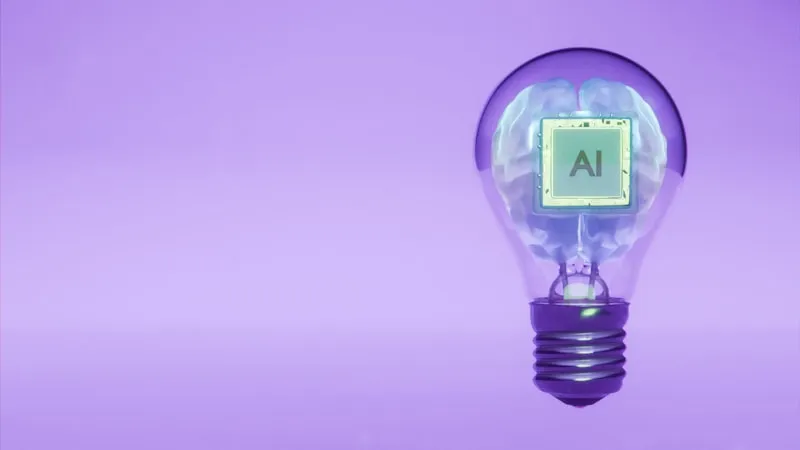
Every week, a new AI tool makes headlines claiming to generate animation or visual effects with a text prompt. If you are considering a career in animation or VFX, it is natural to wonder: is the industry about to be automated? Should I still invest in learning these skills?
The answer is nuanced, and understanding it clearly will actually give you a competitive advantage. If you are still considering whether to enter the field, our guide on animation career in India covers the industry outlook and salary data. Let us cut through the hype and look at what AI actually does in animation and VFX today, what it cannot do, and how smart students are positioning themselves for the future.
AI Tools in Animation and VFX: What Exists Today
Several AI tools have gained attention in the creative industry. Here is an honest assessment of the major ones:
Runway ML offers text-to-video and image-to-video generation. It can produce short video clips from text descriptions and has features for removing backgrounds and generating visual effects. The results are impressive for rough concepts but lack the precision needed for professional output.
Pika and Sora (by OpenAI) generate video content from text prompts. These tools are advancing rapidly and can create visually interesting clips. However, they struggle with consistent character design, precise timing, and the specific creative direction that professional projects require.
Midjourney and DALL-E are image generators that many concept artists and designers use for inspiration and rapid prototyping. They are excellent for generating mood boards and initial ideas but cannot replace the intentional design decisions a trained artist makes.
Cascadeur uses AI to assist with character animation physics, helping animators create more realistic body movements. This is a genuine productivity tool that professional animators are already integrating into their workflow.
Wonder Dynamics offers AI-powered motion capture and CG character replacement in live-action footage. This is perhaps the most directly relevant tool for VFX workflows, automating some traditionally time-consuming tasks.
Will AI Replace Animators?
No, and here is why. Animation is fundamentally a storytelling craft. A text prompt can generate a clip of a character walking, but it cannot make creative decisions about how that character should walk to convey sadness, excitement, or hesitation. These are human creative choices that drive every frame of professional animation.
Studios have specific visions. Directors want precise control over every element, the timing of a blink, the arc of a jump, the emotional weight of a pause. AI-generated content gives you a starting point, but it cannot deliver the frame-by-frame precision that professional work demands.
Current AI tools also struggle with consistency. They can generate a stunning single image, but maintaining a consistent character design across thousands of frames, which is what animation requires, remains a fundamental challenge.
What AI will replace is repetitive, mechanical work. Tasks like in-betweening (generating intermediate frames between keyframes), basic rotoscoping, and rough background generation are increasingly being automated. But the creative and technical oversight still requires trained professionals.
How AI Is Actually Being Used in Studios
Rather than replacing animators, studios are integrating AI as a tool that makes existing workflows faster:
Concept art teams use Midjourney and Stable Diffusion for rapid ideation. Instead of spending hours painting rough concepts, artists generate dozens of variations in minutes and then refine the best ones manually.
Pre-visualization teams use AI video generation for rough animatics. These are not final-quality animations but quick representations of scenes that help directors plan shots before production begins.
Compositing teams use AI-powered tools for tasks like background removal, frame interpolation, and noise reduction, tasks that previously required tedious manual work. These compositing skills are core to our VFX course in Nagpur and the 3D/VFX specialization course in Nagpur.
The common thread is clear: AI handles the rough, time-consuming groundwork while human artists handle the creative direction, refinement, and final quality.
Skills That Remain Irreplaceable
Certain skills will keep you valuable regardless of how AI advances:
Storytelling and timing are the foundation of animation. Understanding how to use movement, pacing, and visual rhythm to convey emotion is a deeply human skill that AI cannot replicate.
Design thinking, the ability to make intentional creative choices about colour, composition, and visual hierarchy, requires understanding context, culture, and audience in ways that AI fundamentally does not.
Technical problem-solving is essential in VFX. Every project presents unique challenges that require creative solutions. AI follows patterns; skilled VFX artists solve problems that have never been solved before. Understanding the differences between these disciplines is key, read our animation vs VFX comparison to see where each field is headed.
Client communication and creative direction, understanding what a client actually wants (often different from what they say they want) and translating that into visual output, is an inherently human skill.
Project management in creative pipelines requires understanding dependencies, managing expectations, and making trade-off decisions. These are not tasks that AI can handle.
How to Use AI as a Superpower
The smartest approach is not to fear AI but to learn to use it. Our generative AI course in Nagpur teaches you to integrate these tools professionally across design, animation, and VFX workflows. Animators and VFX artists who integrate AI tools into their workflow are becoming more productive and more valuable:
- Use AI for rapid prototyping. Need to show a client five different visual directions? Generate rough concepts with AI in 20 minutes instead of spending two days painting them by hand.
- Use AI for tedious tasks. Let AI handle rough rotoscoping, background generation, or frame interpolation while you focus on the creative work that actually matters.
- Learn AI tools alongside traditional skills. A portfolio that shows both strong traditional animation skills and intelligent use of AI tools will impress employers more than either alone. And if you are worried about being a late starter, know that starting a creative career at any age is entirely possible.
- Stay current. AI tools evolve rapidly. Follow industry publications, experiment with new tools as they release, and understand how they fit into professional workflows.
Ready to Get Started?
Visual Arts Academy's animation course in Nagpur teaches you both the timeless creative fundamentals and the practical technical skills that the industry needs. As AI tools evolve, students with strong foundational skills will be the ones who use AI most effectively, not the ones replaced by it. Contact us to learn how our course prepares you for the future of animation.