Your portfolio is the single most important factor in getting your first design or animation job. Not your degree, not your certificate, not the institute name on your resume. Employers hire based on what you can demonstrate, and your portfolio is that demonstration.
This guide walks you through building a portfolio that actually gets responses from employers, from choosing the right platform to selecting projects and avoiding common mistakes that freshers make.
Why Portfolios Matter More Than Degrees
In creative fields, hiring is portfolio-first. When a studio or agency receives 50 applications, they look at portfolios before anything else. A candidate with a strong portfolio from a six-month course will be chosen over a candidate with a three-year degree but a weak portfolio. This is consistently true across the industry.
This is actually good news. It means your investment of time and effort into building quality work directly translates into career opportunities. To understand what these opportunities pay, check the latest design salary expectations for India. It also means the quality of your course matters more than the brand name of the institute. Once your portfolio opens doors, the career options after design courses are surprisingly broad, so choose a programme that emphasises practical project work and portfolio development.
Choosing the Right Platform
You need your work to be visible. Here are the main portfolio platforms and when to use each:
Behance is the most widely used portfolio platform in India for graphic designers and visual artists. It is free, has good discoverability through Adobe's ecosystem, and most Indian agencies and studios actively browse Behance when hiring. If you choose one platform, make it Behance.
Dribbble is more curated and popular internationally. It is excellent for UI/UX designers and illustrators. The free tier is limited, but the paid version gives you more visibility. Consider this as a secondary platform once your Behance is established.
A personal website gives you maximum control over presentation and branding. It is especially valuable if you are freelancing. You can build one with tools like Webflow, Wix, or a simple WordPress setup. Keep it clean and fast-loading.
For animation and VFX professionals, a showreel on Vimeo or YouTube is essential. Studios want to see your work in motion, not as static screenshots. A 60-90 second highlight reel of your best work is standard.
LinkedIn is not a portfolio platform per se, but an optimised LinkedIn profile with work samples in the Featured section and a link to your Behance/website is important for discoverability.
How Many Projects Should a Fresher Include?
Quality over quantity, always. A portfolio with 8 excellent projects will outperform one with 30 mediocre ones. Here is what we recommend:
- For graphic designers: 8-12 projects showing range (logo design, social media, branding, print, UI). Each project should include a brief case study: the brief, your approach, and the final deliverables. If you are still building skills, our graphic design course in Nagpur is structured around portfolio projects.
- For animators: 5-8 strong animation clips or a 60-90 second showreel. Include your best character animation, lip sync work, and at least one complete short sequence with effects and sound.
- For VFX artists: 5-7 breakdown shots showing before/after alongside the final composite. Studios want to see your process, not just the end result. The VFX course in Nagpur builds exactly this kind of breakdown reel.
- For video editors: a 2-3 minute highlight reel plus 3-5 complete edited pieces (short films, ads, YouTube-style content, event videos). Our video editing course in Nagpur covers showreel construction.
- For UI/UX designers: 4-6 complete case studies showing user research, wireframes, and final interface designs with measurable outcomes. The web UI/UX design course in Nagpur is set up around case-study projects.
Project Ideas for Students Without Client Work
You do not need paying clients to build a strong portfolio. Here are project ideas that demonstrate real skills:
Rebrand a local business. Pick a Nagpur business with weak branding and redesign their entire visual identity as if they were your client. Include logo, colour system, business card, social media templates, and signage mockups.
Create a complete social media campaign. Design a month's worth of social media content for a real or fictional brand. Show how the designs work together as a cohesive campaign.
Animate a 30-second explainer video. Choose a topic, write a simple script, and produce a complete animated explainer with voiceover and sound. This demonstrates end-to-end capability, skills covered in our motion graphics course in Nagpur.
Do a VFX breakdown of your own shot. Film a simple scene and add VFX elements: replace a background, add a CG object, create a weather effect. Show the breakdown alongside the final composite.
Edit a mini-documentary. Interview someone about their work or passion, shoot B-roll footage, and produce a complete 3-5 minute documentary edit with titles and colour grading.
Common Mistakes to Avoid
Including everything you have ever created. Curate ruthlessly. Every piece in your portfolio should represent your best work. If you have doubts about including something, leave it out.
Missing context. Do not just show the final image. Include brief descriptions of the project brief, your role, the tools used, and your creative process. Employers want to understand how you think, not just what you produce.
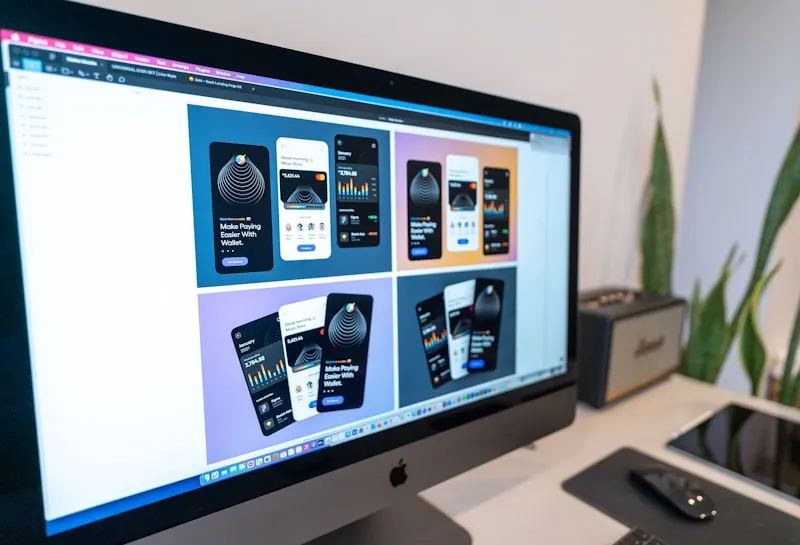
Ignoring presentation. How your portfolio itself looks is a reflection of your design ability. Sloppy layouts, inconsistent formatting, or poor typography in your portfolio tells employers that you do not care about details.
Showing only one type of work. Unless you are applying for a highly specialised role, show range. Include different types of projects across different styles and formats.
Not updating regularly. A portfolio with work from two years ago suggests you have stopped growing. Add new projects regularly and remove older, weaker work.
What Employers Actually Look For
We speak regularly with agencies and studios that hire our graduates. Here is what they consistently say they look for in a fresher's portfolio:
- Clean execution, no sloppy edges, misaligned text, or inconsistent spacing. Technical quality is the baseline.
- Creative thinking, evidence that you can solve design problems, not just make things look pretty.
- Process documentation, case studies that show how you approached the brief and why you made certain design decisions.
- Range with depth, variety of project types, but each one executed thoroughly rather than superficially.
- Personal style, some sense of your unique visual perspective, even if it is still developing.
Once your portfolio is ready, the next decision is whether to pursue employment or go independent. Our guide on freelance vs full-time paths covers the pros and cons of each approach.
Ready to Get Started?
At Visual Arts Academy Nagpur, our courses are structured around portfolio development. You do not just learn tools, you complete real projects that become the foundation of your professional portfolio. By graduation, you have a polished body of work ready to show employers. Learn more about our graphic design course in Nagpur and animation course in Nagpur.